Kitchen Mold Removal in Brightwood Park, DC
Mold removed from under sinks, behind cabinets and around leaking appliances in your Brightwood Park kitchen. Call 24/7 to start your assessment and cleanup.
- Leak source checked first
- Contained work and HEPA filtration
- Clear cleanup and repair scope
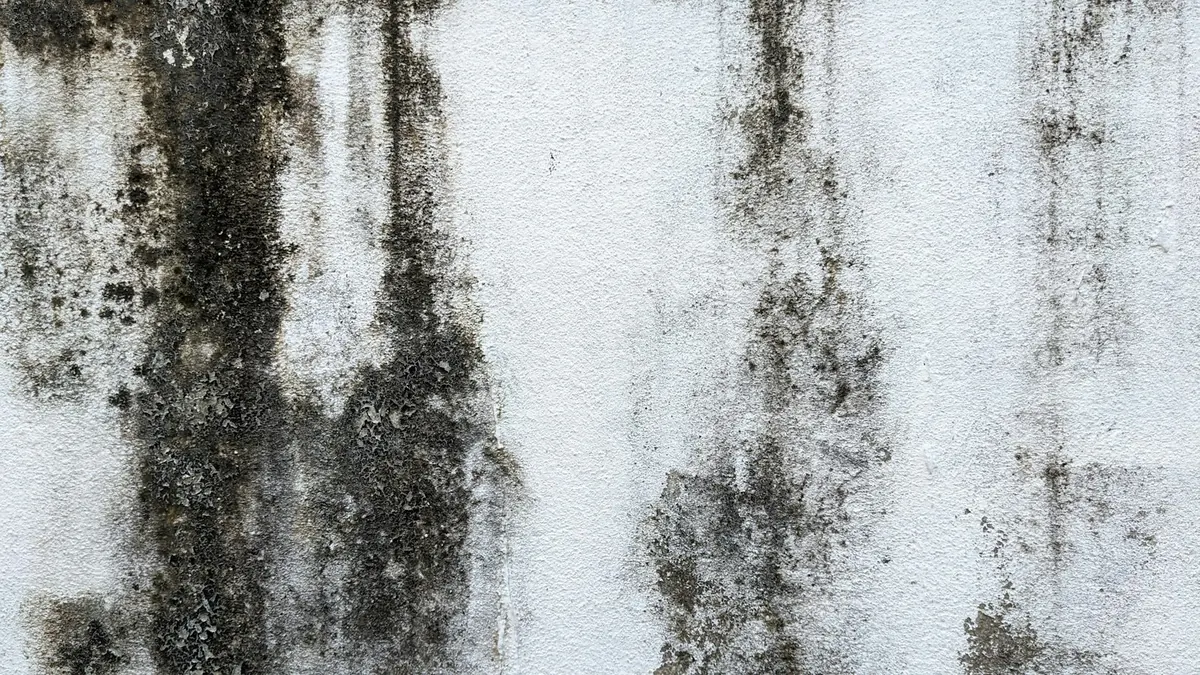
Kitchen Mold Removal Services for Your Brightwood Park Home
Removing growth on your kitchen walls, flooring and sink cabinets is the purpose of cleanup. Finding the moisture source comes before damaged material removal.
Your pantry, backsplash and kitchen drywall are assessed wherever dampness indicates damage. Hidden wet spaces may result from a leaking faucet in the kitchen, a drain line or the refrigerator water line.
Sound surfaces are cleaned and dried. A written scope of work defines containment, removal and separate plumbing or finish repairs, including access behind cabinets and protection for retained countertops.
- Mold under kitchen sink assessment
- Kitchen cabinet mold removal and cleaning
- Checking floors and walls near leaking appliances
- Containment for drywall removal and discarded debris
- Drying and final moisture checks
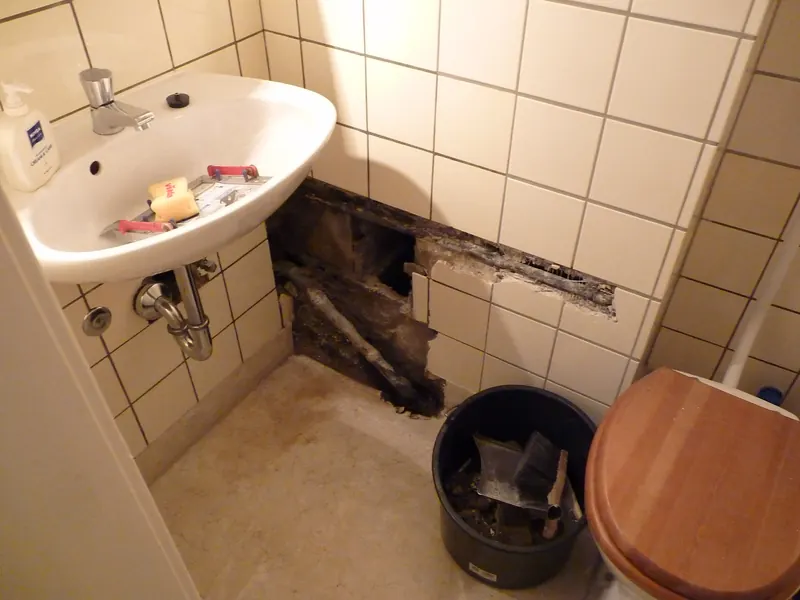
When to Consider Kitchen Mold Removal in Brightwood Park
Hidden dampness may show up as panel swelling, recurring growth or a musty odor.
Recurring Spots Within Your Sink Cabinet
Visible mold growth reappears at seams or around openings for pipes even after you wipe the surface.
Peeling Paint Along Your Kitchen Ceiling
Peeling paint, moist drywall or stains may appear with an overhead kitchen leak.
Water Stains Behind Kitchen Appliances
Stains and damp floors under neighboring cabinets follow a dishwasher leak or a leaking refrigerator water line.
Swollen Kitchen Cabinets
After recurring wetting, laminate pulls up, your cabinet base becomes soft or particle board bulges.
Persistent Odor in Kitchen Cupboards
A musty smell persists inside storage areas even after ordinary cleaning.
Your Kitchen Mold Removal Process
Assessment starts your cleanup, followed by removal and cleaning, then drying and verification.
Kitchen Assessment
Your sink cabinet, adjoining walls and appliance spaces are inspected. A thermal imaging camera helps find temperature differences, not identify mold; dampness is mapped using a moisture meter.
Kitchen Moisture Source and Scope
The water supply line, drain line and appliance connections are assessed. Planning establishes separate rebuilding, cabinet access and leak repair before the work gets underway.
Kitchen Containment
Poly sheeting forms a containment barrier around the work zone. Protective equipment is chosen to suit the affected area, together with a HEPA air scrubber and negative air pressure.
Damaged Cabinet and Drywall Removal
Where needed, damaged drywall and other materials that cannot be saved are removed, including swollen particle board. Before leaving your kitchen, debris goes into bags within containment.
Retained Surface Cleaning
For non-porous surfaces and sound wood, cleaning combines a HEPA vacuum with suitable surface cleaning. Where appropriate, antimicrobial treatment adds to removal of mold on surfaces.
Controlled Kitchen Drying
A dehumidifier and air movers support drying after removal and cleaning. Moisture readings track the cabinet cavity, wall framing and kitchen floor before replacement of materials.
Post-Remediation Check
Completion covers drying, cleaning and the agreed post-remediation verification. An independent assessor performs clearance testing when specified, before containment comes down and repair after remediation begins.
Kitchen Mold Removal: Why Choose Washington Mold Removal Services?
Clear Scope Before Work
Your scope identifies separate repair work and affected cabinetry before closure of the kitchen work area.
Removal Through Final Checks
Damaged material is taken out and remaining surfaces undergo cleaning and drying, with verification required ahead of containment removal.
Kitchen Moisture First
Your assessment traces sink plumbing, appliance leaks and condensation before removal begins.
Contained Kitchen Work
Containment limits particles spreading around nearby rooms and retained cupboards, alongside HEPA filtration.
Calls Answered 24/7
You can start kitchen cleanup anywhere across the metro through one number, even on nights and weekends.
Before Kitchen Cleanup in District of Columbia
Call for your assessment without disturbing the affected materials.
- Stop water safely. Use an accessible shutoff valve if safe. Do not approach wet electrical devices.
- Pause nearby food preparation. Keep food and dishes away from visible growth and the planned work area.
- Keep people clear. Affected cabinetry and flooring must remain off limits to children and pets.
- Leave panels in place. Do not begin to tear out cabinets or scrape growth.
- Avoid spreading particles. EPA advises leaving HVAC equipment off if contamination is suspected; never direct fans toward mold.
What Affects Kitchen Mold Removal Cost in Brightwood Park
These published figures distinguish cleanup in your kitchen from inspection or repair of a small leak. Pricing varies with cabinet accessibility and how many square feet are affected.
Kitchen mold removal
$1,200 to $10,000 per jobSource: Fixr, Mold Remediation Cost (checked 2026-10-23)Inspection only, no testing
$300 to $600 per inspectionSource: Fixr, Mold Inspection Cost (checked 2026-10-23)Small Leak Repair Addresses the Cause, Not Mold
$150 to $350 per repairSource: Fixr, Mold Remediation Cost (checked 2026-10-23)Kitchen Cleanup in Brightwood Park: Factors Behind the Price
- Containment and filtration
- Cabinet, drywall and flooring replacement
- Drying and verification
- Affected square footage
- Access behind fixed cabinets
- Plumbing or appliance repairs
Understanding Your Kitchen Cleanup Price
These published national ranges are planning figures. Your on-site assessment defines the work and price before cleanup starts, including any separate source repairs or rebuilding.
Call (844) 352-3560 about costKitchen Mold Removal Service Area Across Greater Washington
Call (844) 352-3560 to arrange cleanup in Brightwood Park or nearby communities. One number covers the metro.
Kitchen Mold Removal in Locations Near Brightwood Park
ZIP codes
Common Questions About Kitchen Mold Removal in Brightwood Park
What is the kitchen cleanup timeline in Brightwood Park?
Once your affected cabinets and appliance spaces, along with walls, are assessed, scheduling is set. Extra time may be needed to open fixed cabinetry and dry concealed floors. Drying follows moisture readings. Cleanup finishes after final checks, while cabinet replacement, countertop work and appliance reconnection may continue before your kitchen returns to use.
Is testing needed before or after kitchen cleanup?
With visible mold, you often do not need air sampling, according to EPA guidance. Moisture checks and an inspection establish where cleanup is needed. Following removal, checks confirm cleaning and drying before containment is taken down. Specified clearance testing requires an assessor who is independent. No federal limit exists on the level of mold indoors.
Does repair include leaks from sinks and appliances?
Your assessment locates the moisture source and identifies corrections needed in addition to cleanup. Your scope must list appliance work, plumbing repairs or ventilation changes for those tasks to be included. Repair plans for separate work are set before starting so new cabinetry and wall finishes do not cover a damp cavity or unresolved leak.
Do all the cabinets in the run need removing?
Removal decisions reflect damage plus the access needed to clean. Sound cabinets may stay when affected surfaces can be reached and dried. Damaged backing and particle board with swelling may have to be replaced. Your scope also accounts for countertop support and access to hidden wall or floor damage before cabinets are opened.
Is staying home or cooking possible while kitchen work proceeds?
Your affected kitchen area stays out of use during containment, removal and cleaning. Remaining at home may work if your essential access and occupied rooms are kept separate from the work zone. Another appropriate area is needed for dishwashing and food preparation. Your household needs, ventilation and layout set the restrictions ahead of work.
Might mold come back inside your sink cabinet?
Mold can return if a plumbing leak or condensation problem remains. First, your cleanup traces moisture under sink fittings as well as nearby appliances. Affected materials are either taken out or cleaned and then dried. Completing leak repairs alongside moisture control helps prevent a return of the conditions behind growth inside your cabinets.
What kitchen cleanup cost should you expect in District of Columbia?
Your price follows an assessment of visible and hidden damage. The cost cards above show published ranges with their sources and units. Inspection and minor leak repair count as distinct services. Before work begins, you receive an explanation of scope and price, with cabinet access, drying, containment and replacement finishes influencing the total.
Insurance and Kitchen Cleanup in District of Columbia
Coverage depends on the water source, policy exclusions, mold limits and deductible. Cleanup, plumbing repairs and cabinet replacement may receive different coverage decisions.
Kitchen Mold Safety Across Greater Washington
Controlling entry and containing your work area help restrict spore spread as mold is removed.
Dark Growth Under the Sink
Mold color is no indication of risk, CDC says.
Sensitive Occupants
CDC says mold can trigger allergy and asthma symptoms in some people.
Contaminated Water
If you find mold from sewage or contaminated water, seek professional cleanup.
Kitchen Access Limits
Soft flooring and unstable cabinets affect safe access behind appliances.
Cleanup scope: EPA says areas under about 10 square feet can often be cleaned by the homeowner. Larger areas, extensive water damage or HVAC involvement call for professional help.
Kitchen Material Removal and Cleaning in District of Columbia
Where feasible, sound surfaces are kept and cleaned. Porous materials with damage may need removing.
Non-porous surfaces
- Cleaning and drying cover sound glass, metal, tile and washable outer appliance surfaces.
Cabinet and wall materials
- Swollen particle board and drywall with damage may need removing; sound wood framing may be cleanable.
Kitchen contents
- Cookware and stored items are assessed separately from built-in cabinets and protected from removal dust.
Kitchen Cleanup Timing in District of Columbia
Your kitchen's reopening timeline depends on cabinet access, completed drying and needed repairs.
- Access: Extra work can result from fixed cabinets and disconnecting appliances.
- Drying: Before wall or floor cavities close, moisture readings determine readiness.
- Reopening: Reconnecting appliances and replacing cabinets may carry on beyond cleanup.
Kitchen Odor and Humidity in Greater Washington
Moisture checks and material assessment investigate your kitchen's mustiness. Smell by itself cannot pinpoint concealed mold.
EPA puts the ideal indoor relative humidity at 30 to 50 percent and recommends staying below 60 percent. Your kitchen's ventilation and repaired leaks help reduce recurring moisture.
Requirements for Your District of Columbia Kitchen Cleanup
Kitchen Work Requirements
The District licenses mold assessors and mold remediators through the Department of Energy and Environment (DOEE). For rental housing, mold covering 10 square feet or more calls for a professional holding a DOEE license, and smaller areas can follow DOEE guidelines.
Prompt Drying
Dry water-damaged items and areas within 24 to 48 hours to prevent mold growth, as EPA recommends.
Kitchen Repair Permits
Your permit requirements reflect the plumbing work, electrical tasks or building work included.
State Mold Information
DOEE licenses mold professionals and keeps a public list of mold assessors and remediators who hold a DOEE license. Questions can go to DOEE at (202) 535-2600.
State guidance: DOEE: Mold Information for Tenants; DOEE: Mold Information for Home Owners; DOEE: Mold Requirements and Standards for Mold Professionals; DC Code Title 8 Chapter 2B, Indoor Mold Assessment and Remediation
Related Services and Next Steps
Start Your Kitchen Mold Removal in Brightwood Park
Call 24/7 to arrange your assessment. Your cleanup starts with the affected surfaces, moisture source and access to your home.